
ROMAN
PORTRAIT
SCULPTURE
I first came across Roman portrait sculpture at the Archeological Museum in Arles where a bust of Julius Caesar, so it was claimed, had been dredged up from the bottom of the Rhone and had taken pride of place among the exhibitions. The authenticity of the piece was quickly rubbished by none other than doyenne of classical antiquity, Professor Mary Beard, among others.
However, no tourist board worth its Roman salt is going to pass up an opportunity like that to get the punters in, and they resolutely stood their ground, although it is now discreetly labeled ‘presumed bust of Julius Caesar’.

Arles bust.
At any rate, as I wandered along the row of ancient heads on display, I found myself arrested by the intense sense of life they projected. Being accustomed to the beautiful, idealised Greek versions of Gods and Heroes, these were undoubtedly people of distinct individual character in the jostling world of ancient Rome. In fact, Roman portrait sculpture represents a unique artistic genius in a culture largely dominated by the Greek aesthetic.
As a portrait artist, it is fascinating to imagine the teeming world of identity conscious Romans in which the sculptors worked. Portraits were in high demand but, of course, it is only sculpture and mosaics that have survived. Apart from a handful of paintings and murals, there is not much else, but I am guessing that there must, once, have been a vast number adorning the houses of the aristocratic and well-to-do families of ancient Rome.
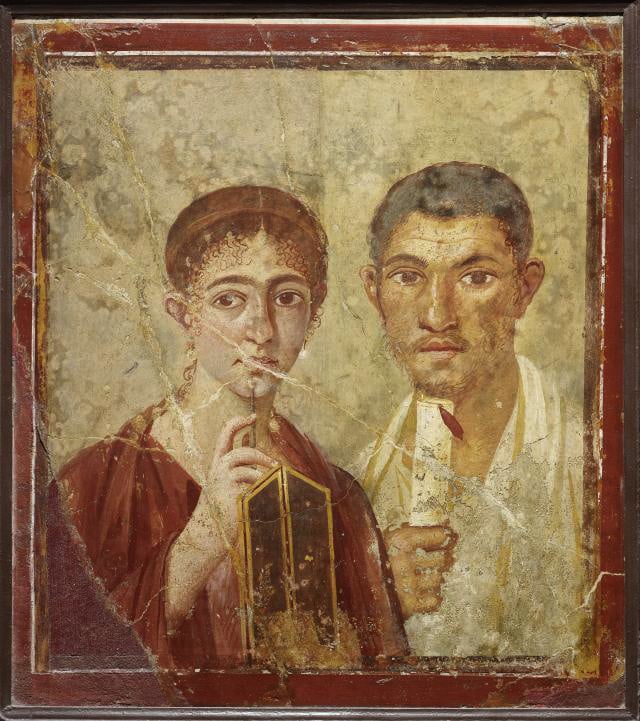
The baker, Terentius Neo and his wife. Pompeii.
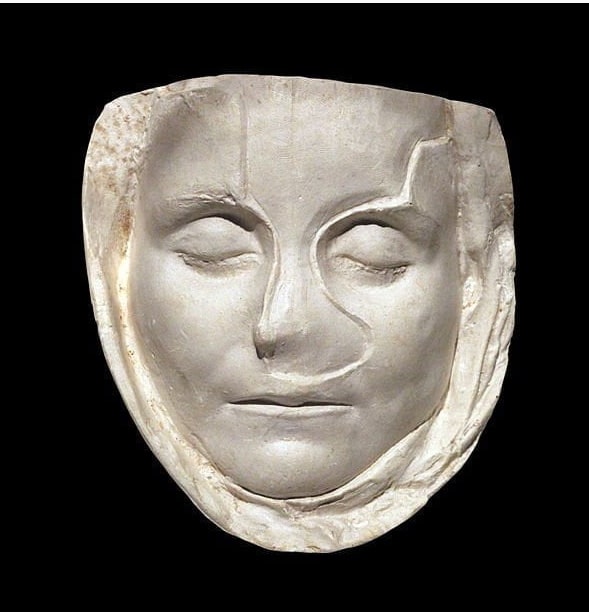
Roman portrait sculpture had its roots in wax funerary masks taken either from the deceased or from life. The masks of ancestors were kept in a cupboard in the atrium and brought out for special occasions such as feast days or when the head of the family died. A funeral procession would feature actors and professional mourners wearing the masks of predecessors and one wearing the recently taken mask of the dead man who would give an ovation at his own funeral. Julius Caesar’s funeral apparently featured a rotating, full size wax model of the man himself, displaying the twenty three stab wounds.
It is tempting to wonder if any tensions arose in a household where it was impossible to get away from a critical old mother-in-law or a judgemental father who made regular reappearances at the feast. However, the sense of continuity must have been very powerful within a family and the closeness of generations an important source of strength and identity.
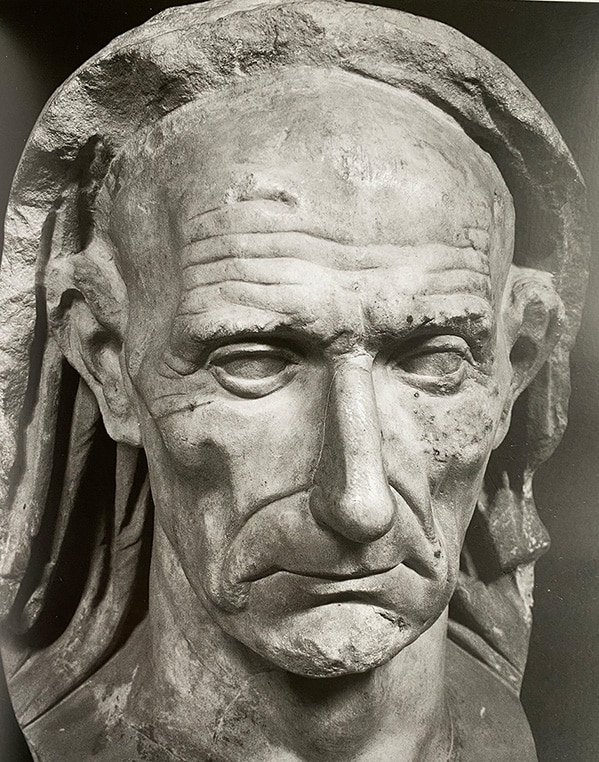
Old man, priest or immolator.
c50 BCE .
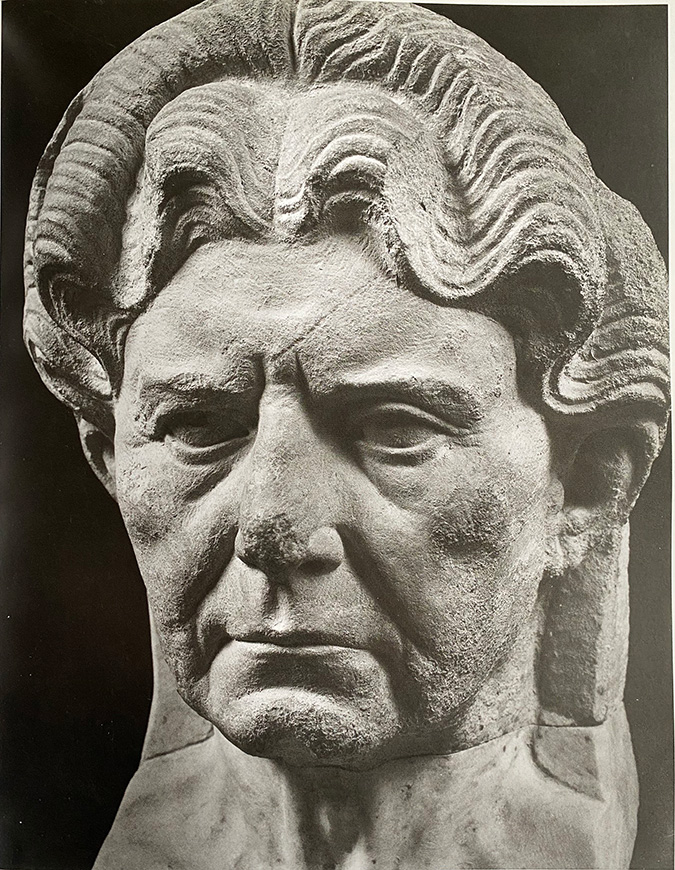
Old woman. Third century CE.
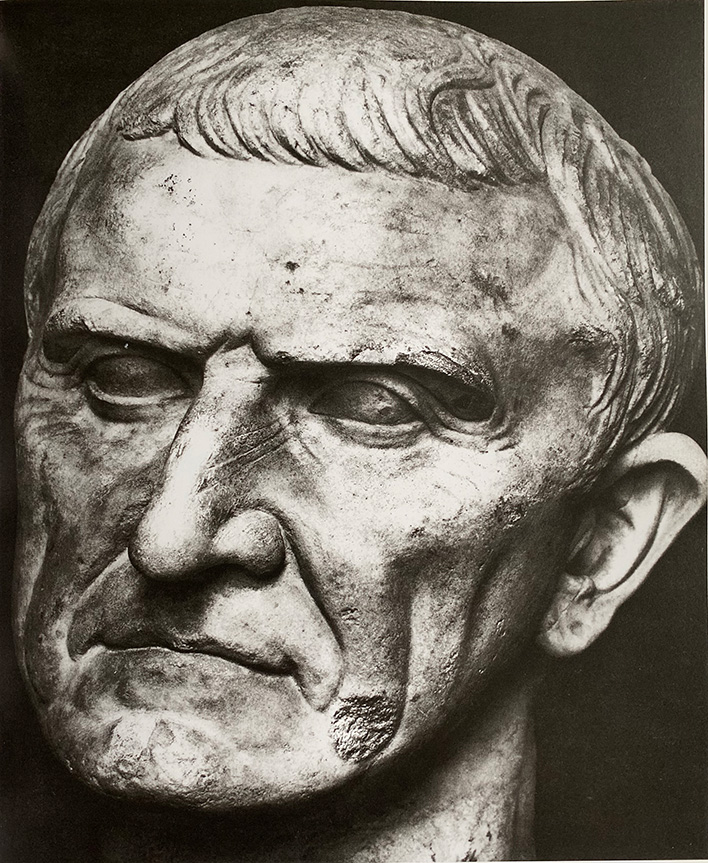
Emperor Galba. 68-69 CE.
The outstanding feature of Roman portrait sculptures was the attention paid to every distinguishing detail of physiognomy, the result being an extraordinary sense of the real person. They are wonderful pieces of work, very unlike the smooth Hellenistic tradition that had dominated previously.
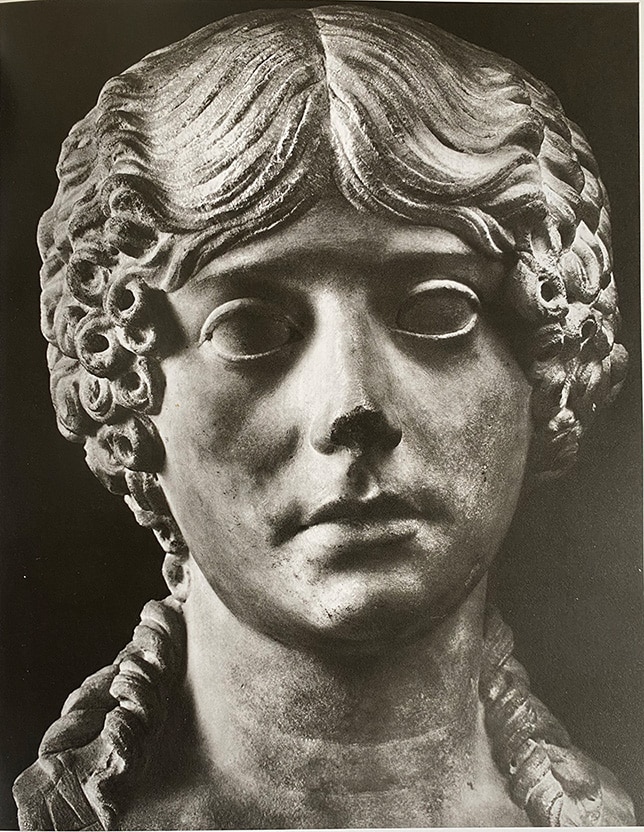
Young woman.
Early first century CE.
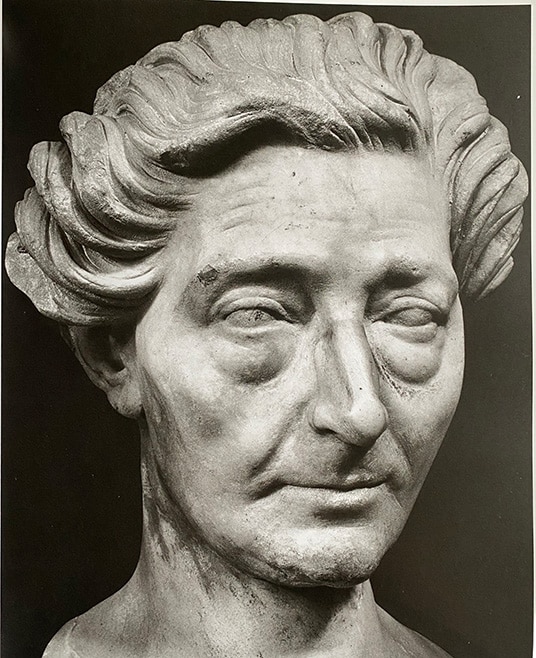
Woman from the Flavian era.
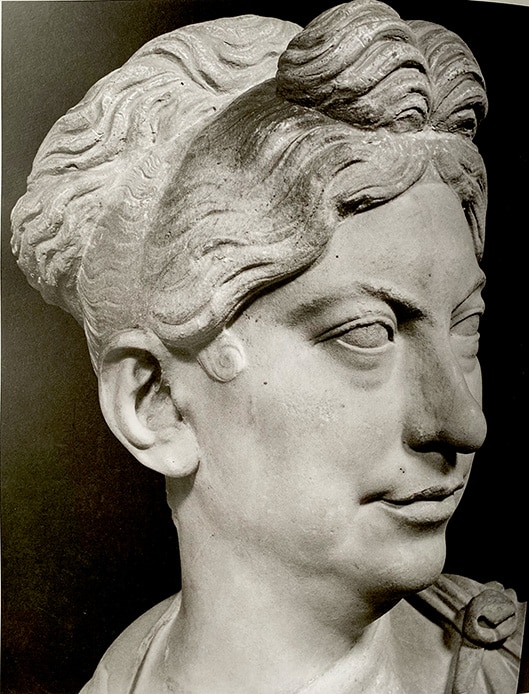
Woman of the first century CE.
Greek sculptors had held a monopoly on commissions from the imperial court but tastes changed as aristocratic amateurs started to look to the work of native craftsmen who derived their sense of realism from the traditional casts and masks taken from life which they subsequently developed and refined into a genre uniquely Roman. Rather than the unblemished perfection of the Greek ideal, skin texture, imperfections and physical idiosyncrasies were embraced as vital details of a person’s character.
Given the vanity and self regarding pride of the Romans, masters of the greatest empire on earth, it is not surprising that portraits were everywhere. If you walk down the halls of the Vatican, row upon row of sculpted heads disappear into the distance, Aside from the obvious demand for imperial busts and statues, of which there were thousands, portraits were commissioned by everyone who could afford them. Rich men wanted portraits of themselves and of their friends as presents. Bribes might take the form of personal portraits and the scope for corruption through flattery was, no doubt, broad and deep. Civic spaces and libraries were filled with portrait busts and statues of musicians, scholars, sophists, doctors, athletes, pantomime artists and triumphant performers from the circus. Even portraits of high class prostitutes were to be found in the temples, paid for by grateful patrons.
As for images of the emperor, they were turned out in their thousands by sculptors and reproduced by copyists to be sent out across the empire. Augustus, keen to transform himself from brutal warlord into benign statesman now that the republic was overthrown and civil war at an end, had eighty silver statues of himself erected in Rome as well as of gold, and others on horseback and driving a chariot.
A propaganda blitz was in order to hail the new imperial reality which included a back-to-moral-basics drive to establish himself as the trusty defender of the people’s soul. Unluckily for Augustus, his daughter, Julia, was one of the most promiscuous flirts operating among the noble gentlemen at the time and he was forced at one point to ask the senate “for the sake of brevity, is there anyone present who hasn’t slept with my daughter, Julia?” ¹ and for the sake of his new moral order, he felt compelled to have her exiled.
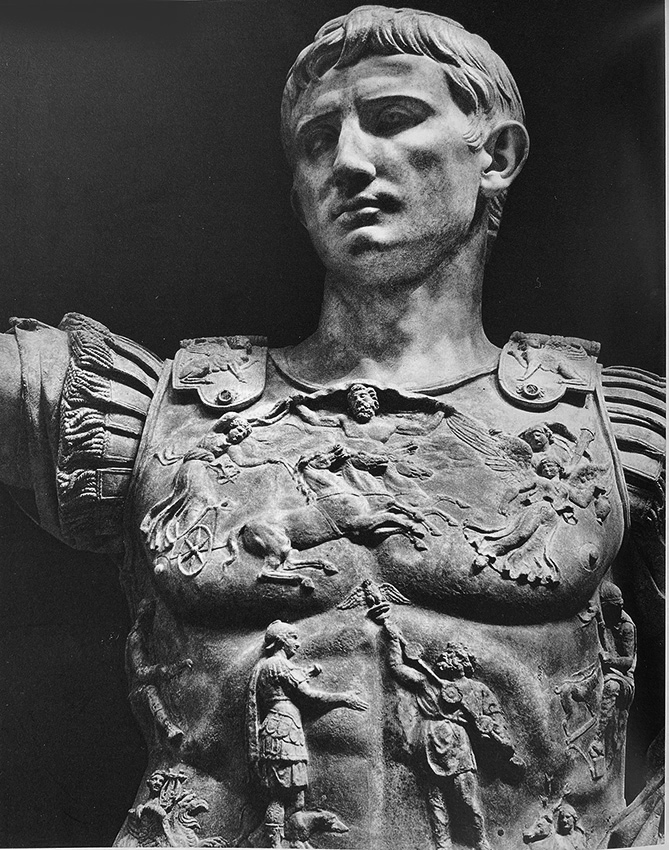
Augustus.
Such was the demand for images of the emperor of Rome that sculptors and local copyists must have been confident of a decent income stream, especially given the high turnover rate during certain periods. In fact, there are many examples of new heads being planted onto old statues, even statues of women, and of existing ones being modified or having their inscriptions rubbed out and replaced for the sake of local economy. It seems unlikely that the populations of far flung provinces would have had much idea of what Diocletian or Nero actually looked like, so the matter must have been academic in any case.
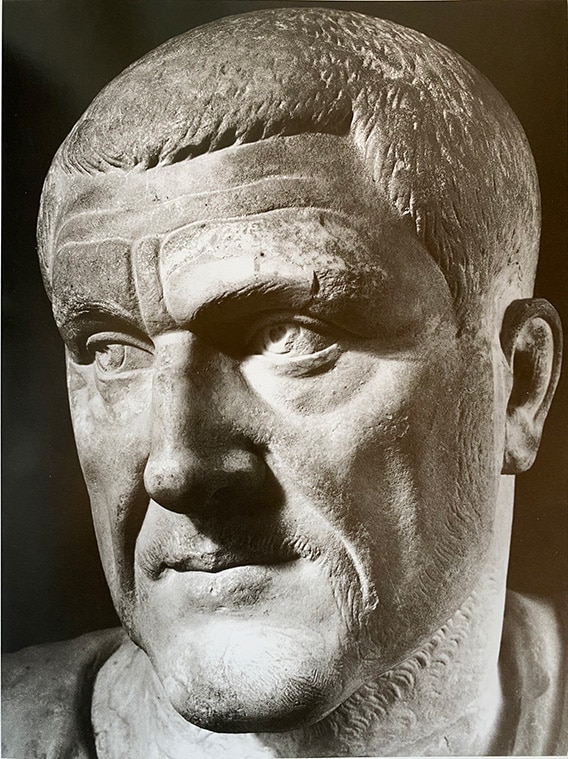
Maximus Thrax.
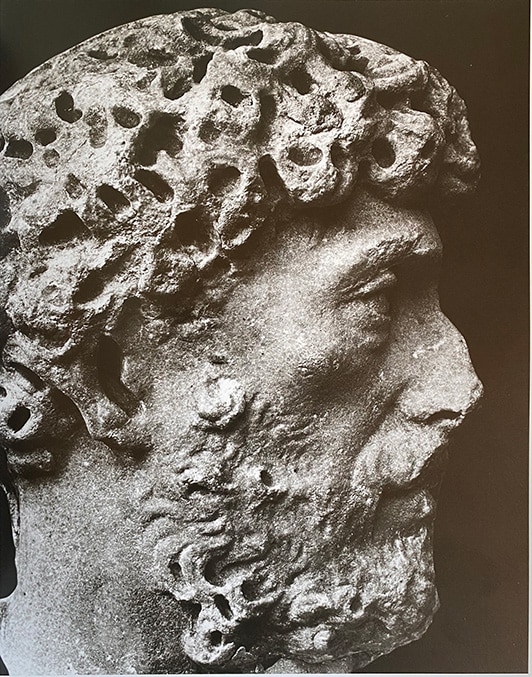
Marcus Aurelius
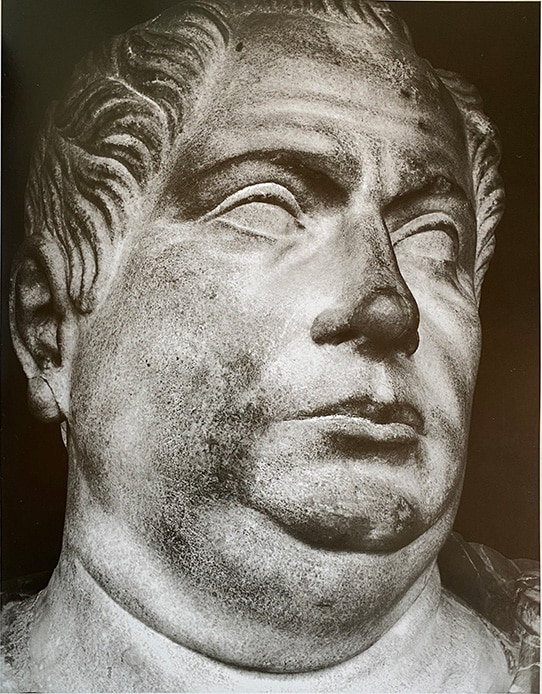
Vitellius
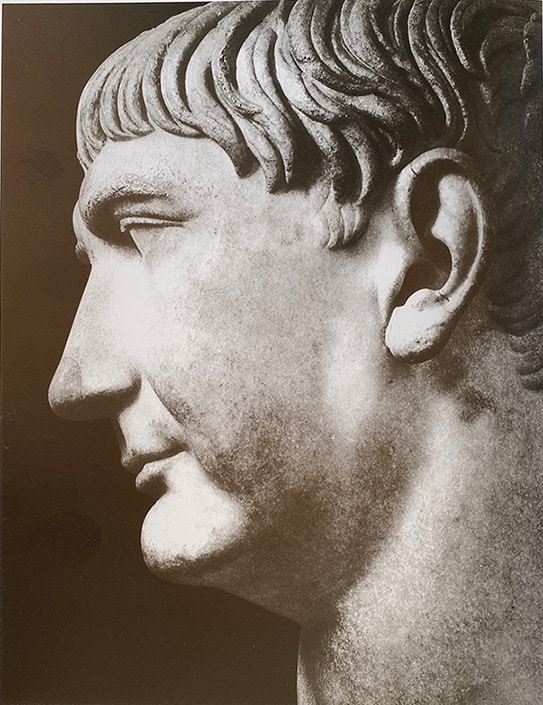
Trajan
In sculpture, there can’t be many examples of a naturalist tradition to compare with these works. The ability to project such a powerful realism is akin to the portraits of Velasquez and Frans Hals.
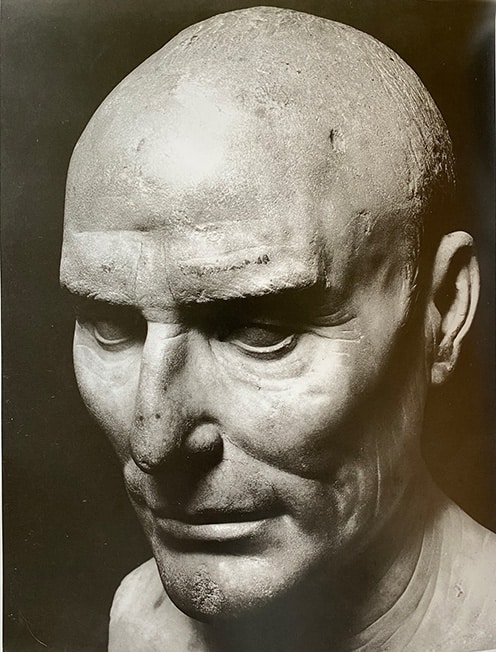
Man of the first century CE.
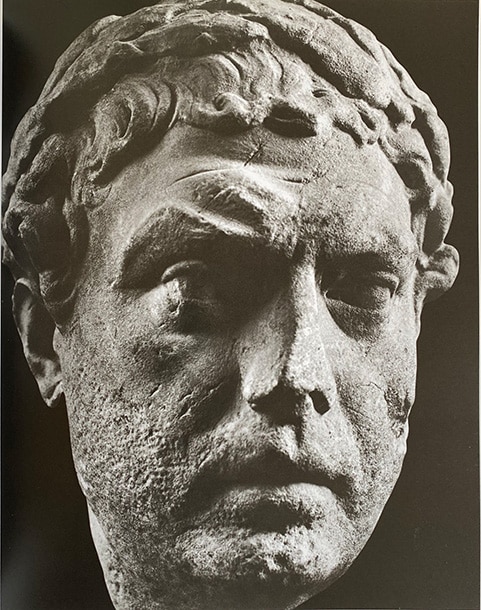
Victor. Relief fragment c20BCE.
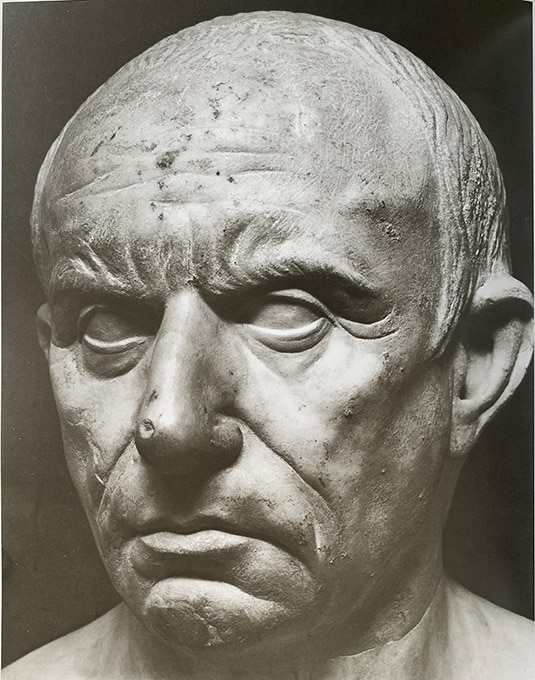
Man of the first century CE.
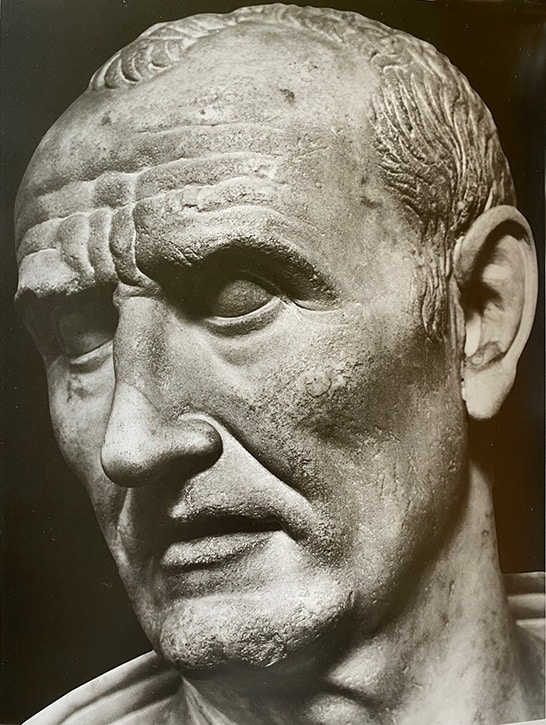
Man of the first century BCE.
The brooding intensity of many of the male portraits seems to epitomise the power of the Roman state, although the artistry of the sculptors embraced all ages and both sexes with equal skill and sensitivity.
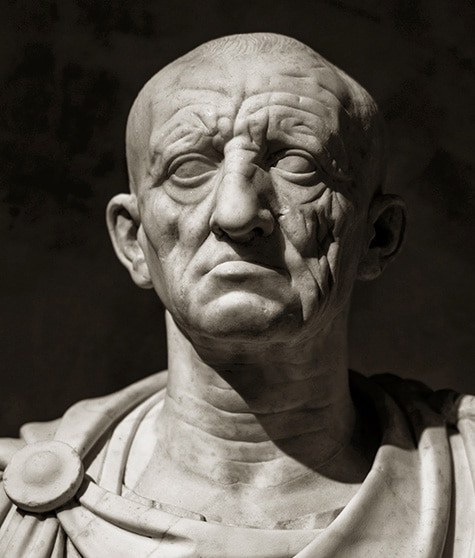
Patrizio Torlonia.
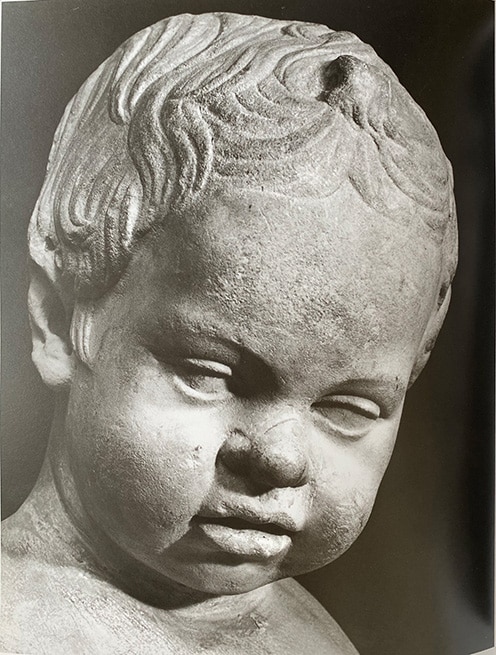
Baby. First to second century CE.
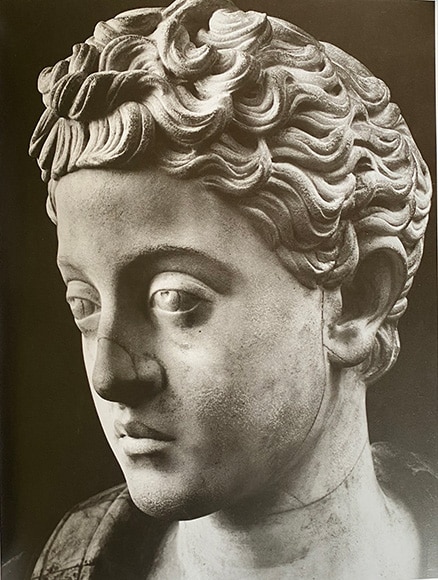
Commodus. 180 – 192 CE.
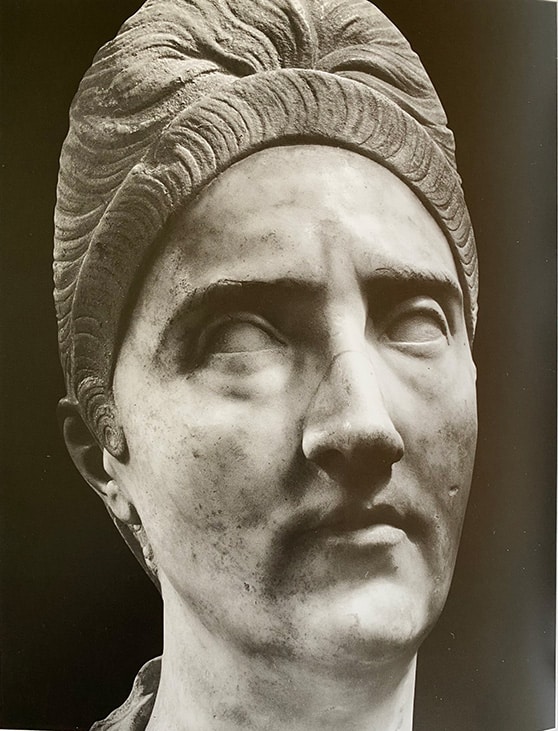
Empress Plotina c120 CE.
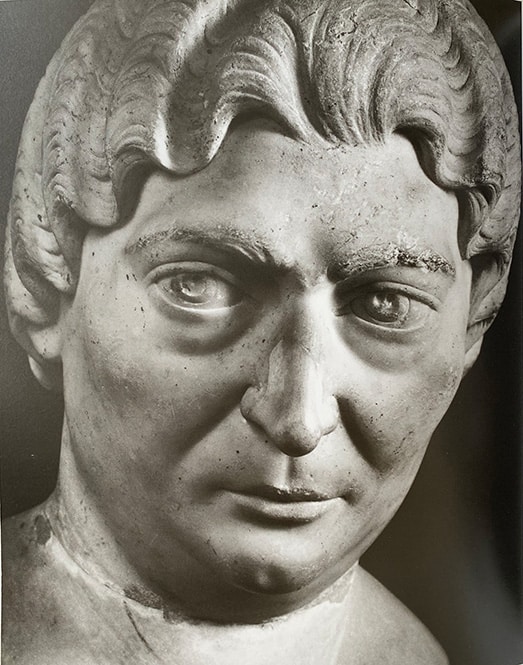
Woman c200 CE.
One of the features that I find most compelling is the unposed impression of so many of the portraits, as if we are seeing the people in a real life moment. With the unromanticised rendering of their features, it creates a powerful picture of the Roman population, or, at least, of the patrician and ruling class
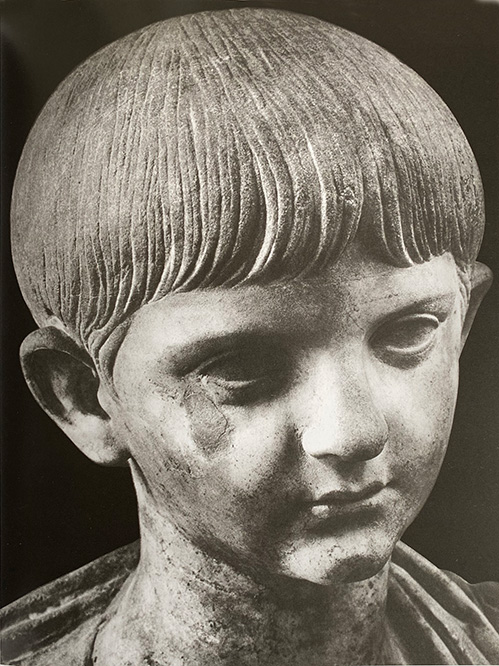
Boy c50 CE.
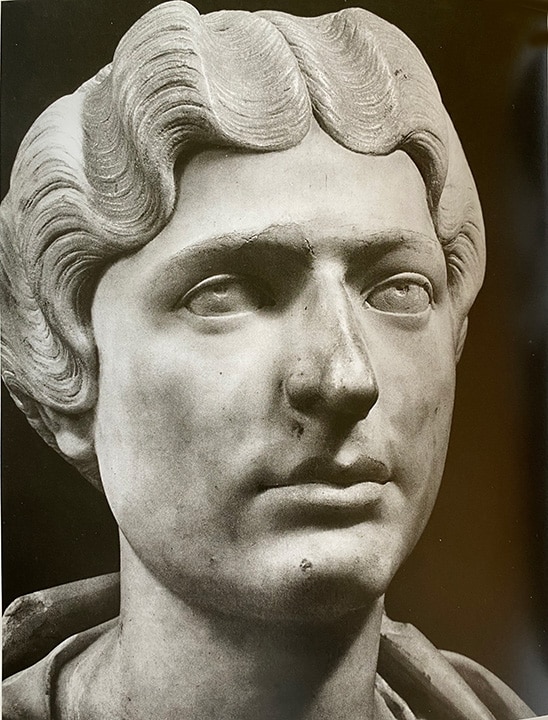
Julia Mamaea. Third century CE.
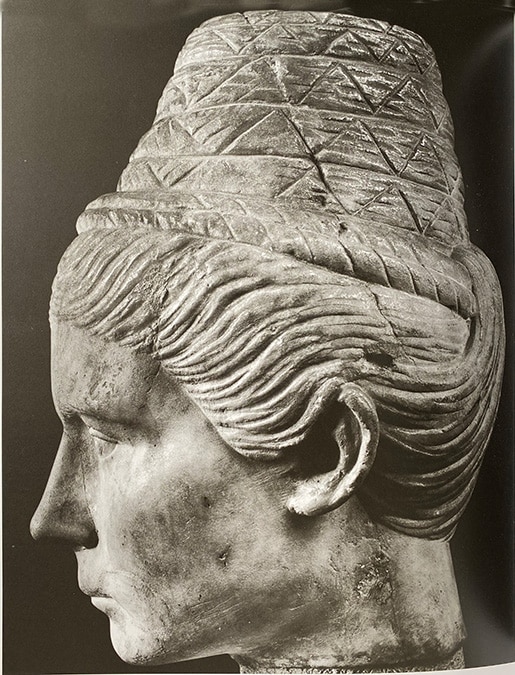
Woman c200 CE.

Sarcophagus sculpture. C250 CE.
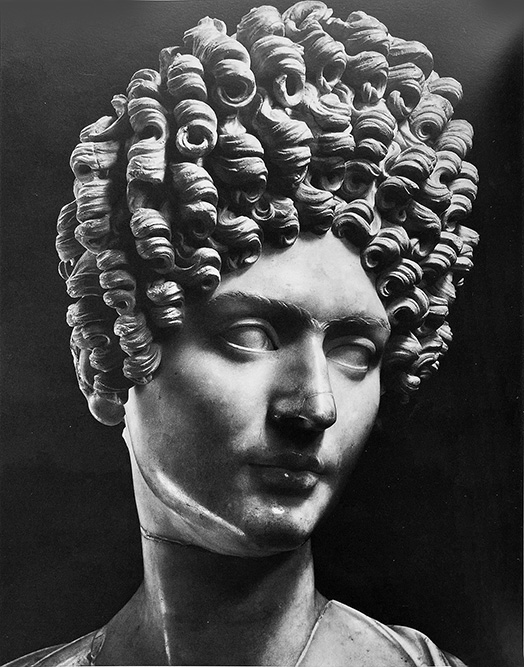
First century CE.
The period of portrait sculpture is roughly from the first century BCE through to the Christian era and the fall of the empire.
Techniques developed over time, including the use of drills to create elaborate hairstyles and to create the pupils, and in some cases, removable marble hair pieces were made so that women could be given a make-over to keep up to date with the fast changing fashions of the Roman world
The Romans clearly embraced the image of themselves as they really were, and why should they not, being the undisputed masters of their world?

Man of the first century BCE.
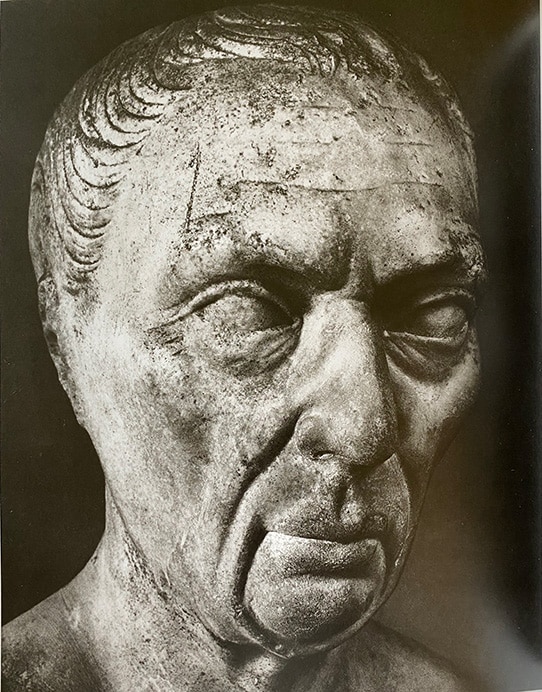
Man of the first century CE.
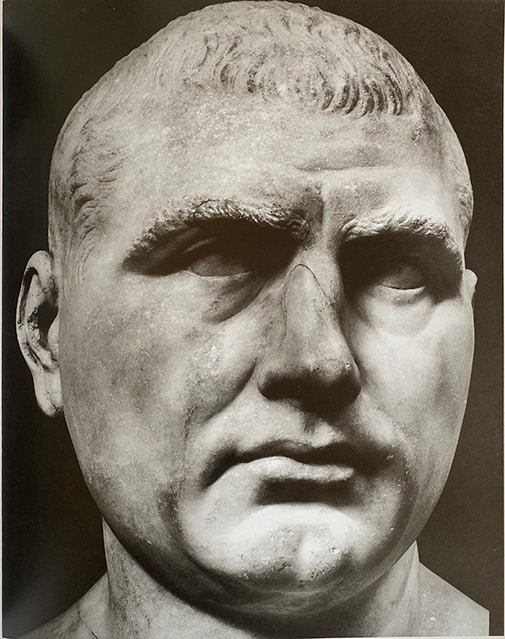
Man of the first century CE.
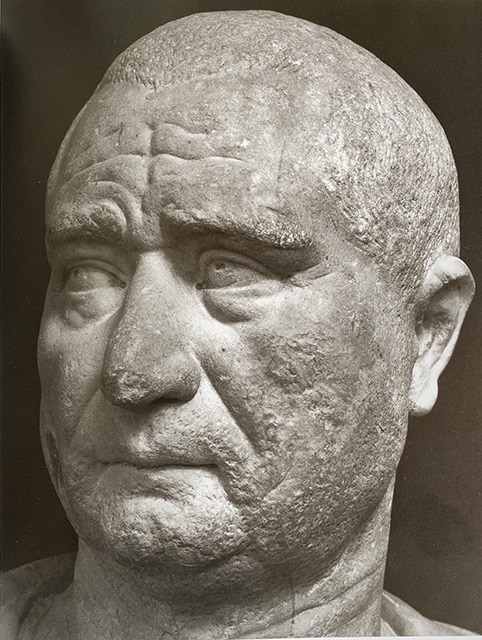
Man about 70 CE.
The late portraits, after Constantine and the establishment of the Eastern Roman Empire, appear to foreshadow the medieval world of Christian iconography, becoming increasingly schematic, less expressive of the human mind and more concerned with devotion.
For me, the portraits of the imperial age exhibit a perception of the human condition that was not to be seen in European art until the work of Titian and his contemporaries.
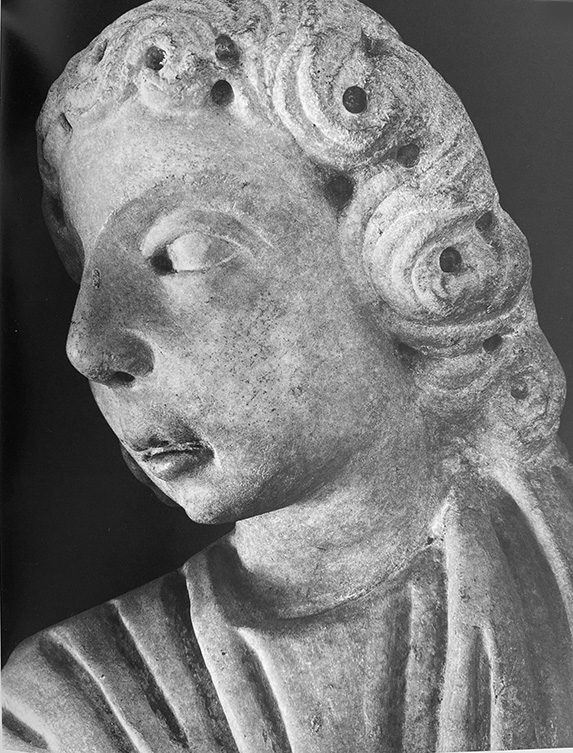
Head of a boy. Early Christian sarcophagus relief.

In the 1930s Ilse Schneider-Lengyel was commissioned to photograph Roman portrait sculptures by Phaidon Press. Schneider-Lengyel was a noted writer, poet and photographer who housed the first meeting of Gruppe 47, a post war circle of left wing writers that included Gunther Grass and Heinrich Boll, dedicated to re-establishing socially critical German literature after the ravages of the Nazi era.
Her wonderfully dramatic photography brings to life the portraits in a way that reveals the genius of the Roman sculptors and their unique dedication to realism.
Apart from the Arles bust, the Pompeii painting and Patrizio Torlonia, all the images are the work of Schneider-Lengyel.
¹ I’m not sure where I read/heard this anecdote but it seemed amusing at the time. Not so amusing for Julia, though; she was sent to the tiny, barren island of Pandateria, allowed only visitors strictly vetted by her father and even denied wine. The fate of rebellious women in royal households hasn’t changed a lot.
What a fascinating post. I had never recognised the wonderfully expressive range of these Roman sculptors before.